

You’ve done the research. You know that IMG, Wilhelmina, and Ford all have offices in New York. You’ve looked at their Instagram pages, studied the faces they represent, and quietly wondered whether you could be one of them. The honest answer is: maybe. But the gap between “maybe” and “yes” almost always comes down to preparation — not luck, not genetics alone, and not who you happen to bump into on Fifth Avenue.
This guide breaks down how New York modeling agencies actually operate, what they look for when they’re evaluating new faces, and what you can do right now to put yourself in a stronger position before you ever walk into a casting or submit a digital package.
How New York Modeling Agencies Are Structured
Most people picture a modeling agency as a single gatekeeper who either loves you or doesn’t. The reality is more layered. A mid-to-large New York agency typically has separate divisions — women’s, men’s, new faces, plus-size, commercial, and sometimes a petite or curve board. Each division has its own bookers, its own client relationships, and its own standards.
The new faces division is where most aspiring models enter. Bookers here are specifically tasked with finding undeveloped talent — people who have the raw material but haven’t worked professionally yet. They’re not expecting a finished product. They’re looking for potential: bone structure, proportions, movement, and a quality that photographs differently from how it reads in person.
Commercial divisions skew toward approachable, relatable looks — the kind of faces you’d see in a Target campaign or a national insurance ad. Editorial and runway divisions lean toward more unconventional or striking looks that translate well under harsh studio lighting or on a runway at 30 feet. Knowing which division fits your look before you approach an agency saves everyone time and signals that you understand the industry.
Modeling agency booker reviewing new faces submissions and polaroid photos at a New York agency
What the Major NYC Agencies Are Actually Looking For
The agencies that dominate New York — IMG Models, Wilhelmina, Ford Models, Elite Model Management, Next Management, DNA Models, and NY Model Management, among others — all have publicly stated standards, but the nuance is in how those standards are applied.
Height and measurements
For women’s high-fashion and runway work, most major New York agencies are looking for a height range of 5’8″ to 6’0″, with a sample size frame (typically a 32–34″ bust, 22–24″ waist, 34–36″ hips). For men’s fashion, 5’11” to 6’2″ is the typical range.
That said, commercial and plus-size divisions operate on entirely different scales. Plus-size modeling agencies — including the curve boards at major New York houses — are actively signing talent at sizes 10–20, and the commercial market is even broader. If you’re under 5’7″, the petite market is real and growing; agencies like Wilhelmina have dedicated petite divisions, and the commercial and influencer markets have created significant demand for shorter talent. Our post on petite modeling agencies covers that path in detail.
Age
New faces divisions at most New York agencies are most active in the 14–22 range for women and 16–25 for men, though commercial agencies sign talent well into their 40s and beyond. The window for high-fashion runway is narrower; the window for commercial is much wider than most people assume.
The intangibles
Every booker you talk to will eventually say some version of the same thing: “There’s something about them.” That something is not mystical. It’s usually a combination of physical symmetry, proportion, and a quality of presence — the way someone holds themselves, makes eye contact, or moves through a room. These are trainable. They’re not fixed traits you either have or don’t.
The Two Ways Agencies Find New Talent
Open calls
Most major New York agencies hold periodic open calls — scheduled windows where anyone can walk in without an appointment. IMG, Ford, and Wilhelmina have all run open calls at various points. Policies change, so always check the agency’s official website directly before showing up.
What to bring: clean, form-fitting clothing that shows your body proportions. No heavy makeup. Minimal styling. Bring a government-issued ID if you’re a minor, and a parent or guardian must accompany you. You’ll typically be photographed on a phone or simple camera, your measurements will be taken, and a booker will give you a quick read. The whole interaction might be five minutes. Don’t interpret brevity as rejection — bookers see dozens of people in a single open call.
Digital submissions
Most agencies now accept online submissions through their websites. A digital submission package typically includes: a few clean, natural photos (front, profile, three-quarter), your measurements, and contact information. Do not send heavily edited photos. Agencies want to see your actual face and frame — filters and retouching make it impossible for them to assess your real potential and will often get your submission dismissed immediately.
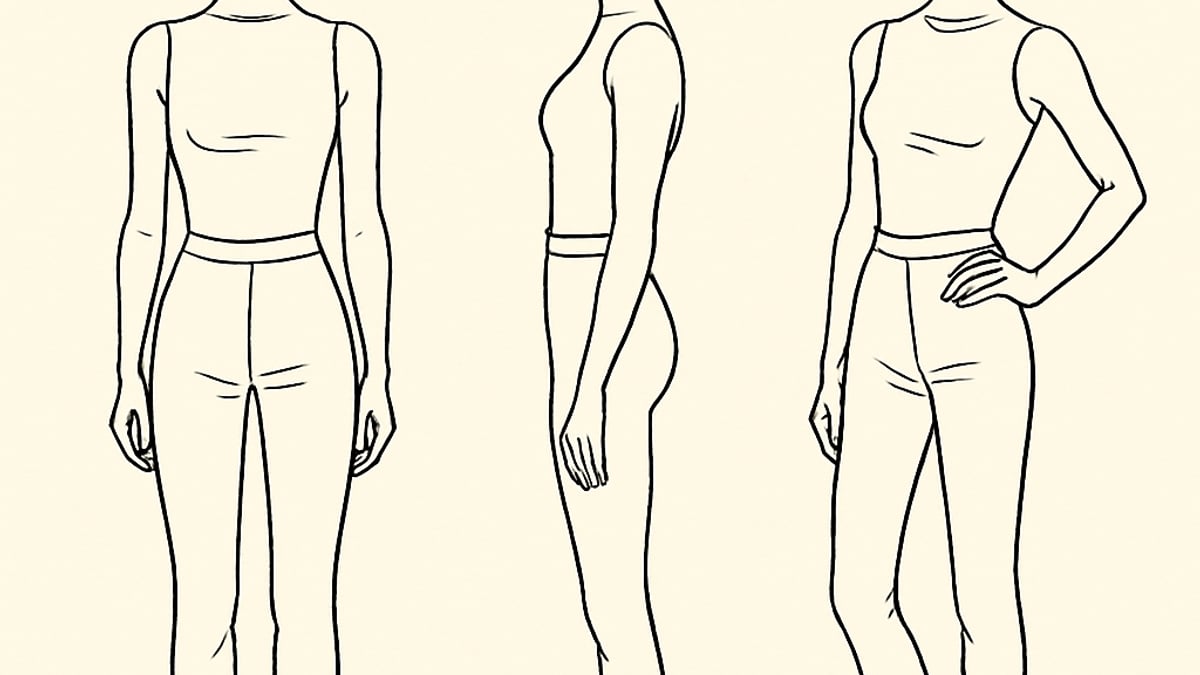
Aspiring model posing for digital submission photos for a New York modeling agency — front, profile, and three-quarter views
What Disqualifies a Submission Before It’s Even Considered
This is the part most guides skip. Here’s what gets submissions discarded before a booker gives them a real look:
Over-produced photos. If your submission looks like a finished campaign, bookers assume you’re trying to compensate for something. Raw, clean, well-lit snapshots are more effective than a heavily edited portfolio.
Inconsistent measurements. If your stated measurements don’t match what’s visible in your photos, the submission gets flagged. Be accurate.
No sense of personality. A blank expression in every shot reads as nerves, not mystery. You don’t need to smile in every frame, but there should be some life in your eyes.
Approaching the wrong division. Sending a 5’4″ submission to a runway division, or a fully developed professional’s portfolio to a new faces board, signals that you haven’t done your research.
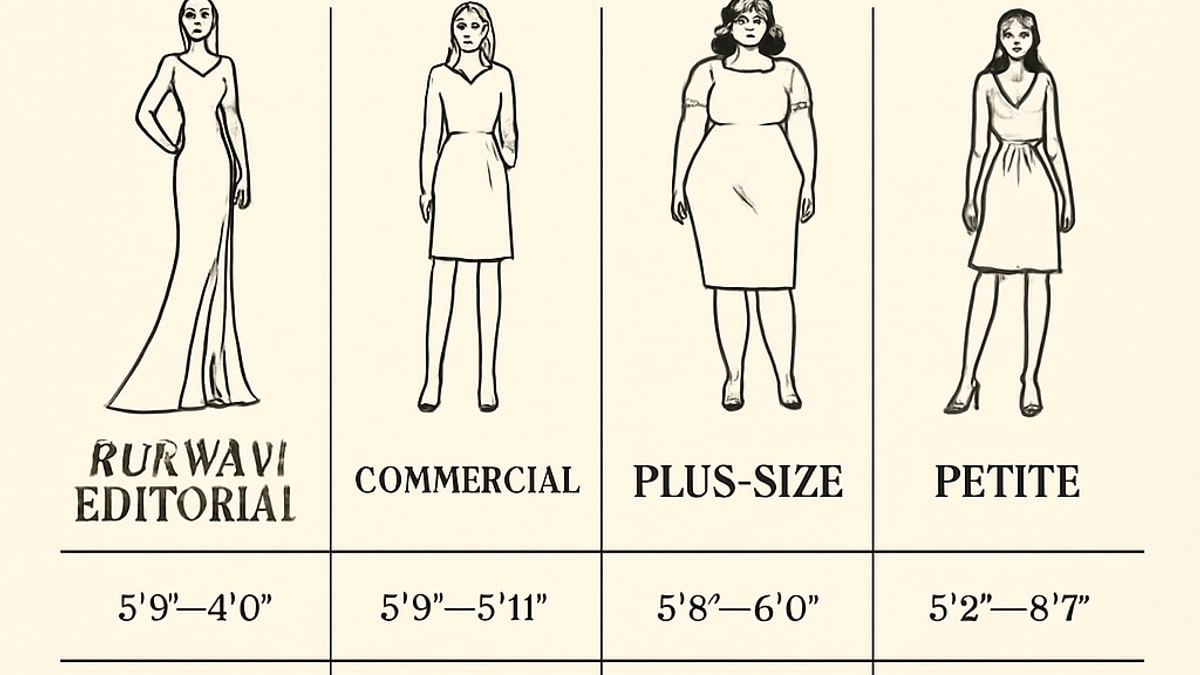
Infographic comparing New York modeling agency divisions — runway, commercial, plus-size, and petite — with height requirements, client types, and what bookers look for
How to Prepare Before You Approach Any Agency
The models who get called back from open calls and digital submissions are almost never the ones who showed up cold. They’re the ones who spent time learning how to move, how to be photographed, and how to present themselves with the kind of confidence that reads as professional rather than nervous.
That preparation doesn’t happen by accident. It comes from working with people who know what agencies are evaluating — and from understanding that the modeling industry has a specific language, a specific set of physical skills, and a specific set of professional norms that take time to absorb.
Our Modeling Weekend is a two-day intensive in NYC or Miami designed specifically for aspiring models at this stage. It covers runway technique, posing, how to work a camera, and what agencies are actually checking when they evaluate new talent. Models who complete the weekend leave with a professional photoshoot and a real understanding of how to present themselves — not just a vague sense that they’re “ready.”
If you want a longer runway (no pun intended), our 8-week modeling program builds the same skills over eight weekly sessions, with more time to develop your walk, your range in front of the camera, and your overall presence. It’s particularly useful if you’re starting from scratch or if you’ve had a first agency meeting that didn’t go the way you hoped.
For a deeper look at how NYC agencies evaluate talent and what the signing process actually looks like, our guide on modeling agencies in NYC walks through the full picture.
Protecting Yourself: Spotting Legitimate Agencies vs. Predatory Ones
New York has more legitimate modeling agencies than almost any city in the world. It also has more people who exploit aspiring models’ ambitions. Knowing the difference is non-negotiable.
Legitimate agencies make money when you work. They take a commission — typically 15–20% — on jobs they book for you. They do not charge upfront fees for representation, registration, or to be “in their system.” If an agency asks you to pay to be considered, that is a red flag.
Legitimate agencies do not require you to use their in-house photographer. They may recommend photographers, but the choice is yours. Pressure to buy a specific photo package as a condition of representation is a common tactic used by predatory operations.
Legitimate agencies are registered businesses with verifiable addresses, real client rosters, and a track record you can research. The Better Business Bureau and a simple Google search of the agency’s name alongside reviews and complaints will tell you a lot before you ever walk through the door.
If you’re navigating this for the first time, our guide on finding the right modeling agency for beginners in New York covers the vetting process in detail.
What Happens After You Get Called Back
A callback from an agency doesn’t mean you’re signed. It means you’ve passed the first filter and a booker wants a closer look. What typically follows is a more in-depth meeting where they’ll assess your movement, take additional photos, and have a real conversation about your goals, availability, and market.
At this stage, agencies are evaluating fit as much as look. They want to know whether you’re professional, coachable, and realistic about the work involved. Models who walk into callbacks with some training behind them — who can demonstrate a runway walk, take direction in front of a camera, and talk intelligently about the market they’re targeting — tend to make a stronger impression than those who are relying entirely on their look.
This is also where your portfolio matters. A few strong, clean images that show range — different expressions, different angles, some movement — are more useful than a large collection of similar shots.
The Bottom Line on New York Modeling Agencies
The New York modeling market is competitive, but it is not closed. Agencies are always looking for new talent, and the ones that place models with Calvin Klein, Harper’s Bazaar, and Tommy Hilfiger are not operating on some secret criteria that you can’t access. They want people who look right for their divisions and who are prepared to work professionally.
The preparation part is where most aspiring models either invest or don’t. The ones who do tend to walk into agency meetings differently — not because they’re more talented, but because they’ve learned the specific skills and professional norms that the industry runs on.
If you’re not ready to commit to a program yet but want a real picture of what it takes to get signed, watch our free 3-part training: Get the free videos →. No fluff, no upsell — just the training we wish every aspiring model had before walking into their first agency meeting.
Frequently Asked Questions
Do New York modeling agencies charge fees?
Legitimate agencies do not charge upfront fees. They earn a commission — typically 20% — only when they book you work. Any agency that asks for money before you’ve been signed to a job should be approached with significant caution.
What should I wear to a modeling agency open call in NYC?
Keep it simple: clean, well-fitting clothes that show your proportions — a fitted top and jeans or form-fitting trousers work well. Minimal makeup, natural hair, and clean skin. Agencies want to see you, not your styling.
Can I approach multiple New York agencies at the same time?
Yes. Until you sign an exclusive contract with an agency, you’re free to submit to and meet with as many agencies as you like. Most working models are represented by multiple agencies across different markets.
What’s the difference between a mother agency and a booking agency?
A mother agency is typically a smaller agency that develops your career in the early stages and helps place you with larger booking agencies in major markets like New York or Miami. A booking agency handles the day-to-day job placement. Some models work with both.
How long does it take to hear back after submitting to a New York modeling agency?
Response times vary widely. Some agencies respond within a few weeks; others may take months, and many don’t respond at all if they’re not interested. If you haven’t heard back after 4–6 weeks, it’s reasonable to follow up once — or to move on and submit elsewhere.