

You’ve heard it your whole life: you need to be at least 5’9″ to model. And for the runway at Paris Fashion Week, that’s still largely true. But the broader modeling industry — the one that actually employs the most models, shoots the most campaigns, and books the most work — has a different standard entirely. Commercial, catalog, fit, and lifestyle modeling regularly sign talent between 5’2″ and 5’7″, and some of the most established agencies in New York have dedicated petite divisions specifically for that range.
If you’ve been holding off on pursuing modeling because of your height, this post is the reality check you need.
What “Petite” Actually Means in Modeling
The word “petite” gets used loosely, so it’s worth being precise. In fashion retail, petite refers to women under 5’4″. In modeling, the term is broader — most agencies define their petite division as talent standing between 5’2″ and 5’7″, depending on the market and the type of work.
Petite models work primarily in:
- Commercial and advertising — brand campaigns for retail, consumer products, lifestyle brands
- Catalog and e-commerce — clothing shot for online retail, where proportionality matters more than raw height
- Fit modeling — trying on samples and providing feedback to designers, often one of the most consistent income streams in the industry
- Print editorial — magazine features focused on personality, beauty, and story rather than runway silhouette
What agencies are looking for in each of these categories differs from what runway scouts want. Proportions, expressiveness, and the ability to communicate a brand’s identity on camera often matter more than the number on a measuring tape.
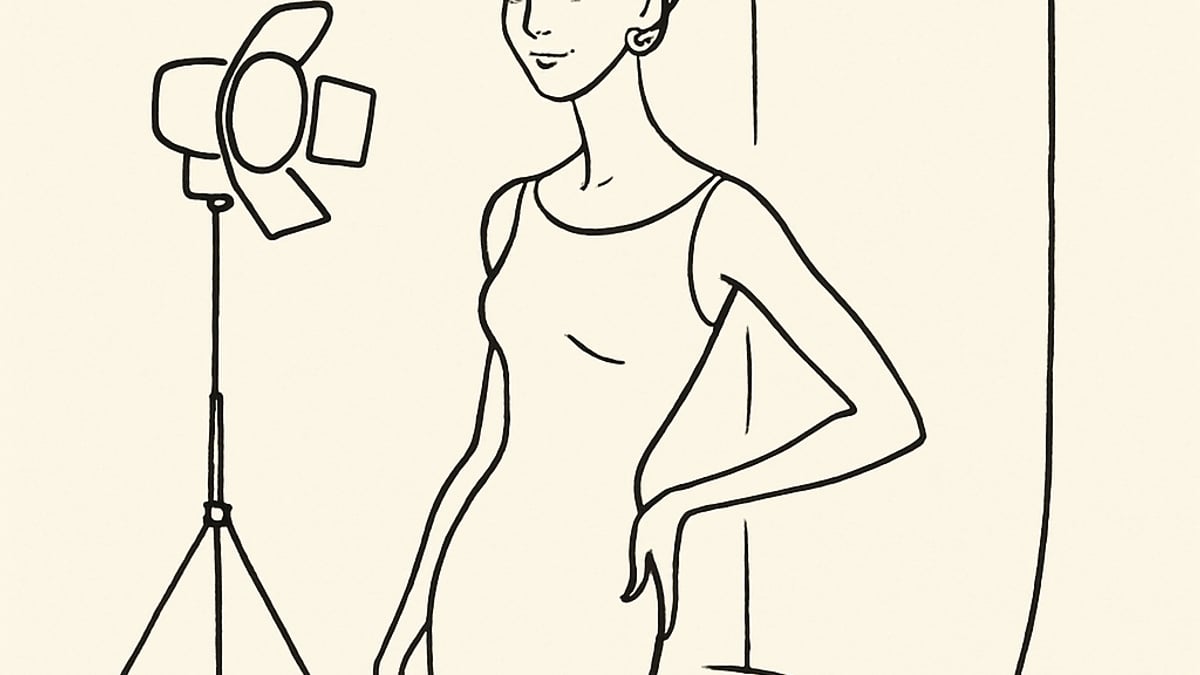
Petite model in a fitted dress posing for a commercial modeling shoot in a studio, vintage line illustration
Which Agencies Have Petite Divisions Worth Knowing About
Not every major agency runs a petite division, but several well-established ones do — and knowing which ones to approach matters more than blanketing every agency in your city with submissions.
Wilhelmina Models
Wilhelmina, one of the most recognized names in the industry, has historically maintained a commercial division that accommodates petite talent. Their commercial board books models for advertising campaigns, lifestyle shoots, and brand partnerships — categories where height requirements are far more flexible than editorial. If you’re pursuing commercial work in New York, Wilhelmina is worth researching.
Ford Models
Ford Models has long been considered one of the most talent-diverse agencies in New York. Their commercial and lifestyle divisions have represented models across a wider height range than their editorial board. Ford is also known for being approachable at open calls, which matters if you’re just starting out and don’t yet have representation.
Next Management and DNA Models
Both Next Management and DNA Models operate commercial boards alongside their editorial rosters. Commercial clients — think national retail brands, consumer packaged goods, and lifestyle campaigns — don’t require editorial height, and both agencies have placed petite talent in consistent, well-paying work.
Regional and Boutique Agencies
Beyond the major New York names, boutique agencies in markets like Miami, Los Angeles, and Chicago often specialize in commercial and lifestyle talent where petite models thrive. If you’re not based in New York, researching well-reviewed boutique agencies in your city — ones with verifiable client lists and no upfront fees — is a smart first move.
The key phrase there is no upfront fees. Any agency asking you to pay before they’ve booked you a single job is a red flag. Legitimate agencies earn their income through commission (typically 15–20%) on the work they book for you. That’s it.
What Petite Modeling Agencies Actually Look For
Height is one variable. It’s not the deciding one. Here’s what agencies with petite divisions consistently evaluate when they review a submission or meet a model at an open call.
Proportionality
A model who is 5’4″ with proportions that photograph like 5’8″ is more valuable to a commercial agency than someone who simply meets a height threshold. Agencies look at shoulder width, waist-to-hip ratio, leg length relative to torso, and how the body fills a frame. This is something you can’t manufacture, but it’s also something that many petite models naturally have.
Skin, Hair, and Overall Presentation
Commercial clients are buying a look that their customer can relate to. Clean, healthy skin, well-maintained hair, and natural confidence in front of a camera carry enormous weight. Agencies aren’t expecting a finished editorial look at a first meeting — they’re evaluating your raw material and your ability to take direction.
A Usable Portfolio (or the Potential to Build One)
If you have photos, they should show range: at least one clean headshot, one three-quarter shot, and ideally one image that shows your personality rather than just your face. If you don’t have professional photos yet, that’s fine — many agencies will sign talent based on digitals (simple, well-lit photos taken on a smartphone against a plain background) and then develop a portfolio from there.
If you need to build your first book, our modeling photoshoot program is designed specifically for aspiring models who want agency-ready images without paying editorial rates.
Confidence and Professionalism
Agencies are investing time and resources into the models they sign. They want someone who shows up prepared, communicates clearly, and handles rejection without unraveling. This is a skill — it can be learned — but it starts with understanding the industry well enough to walk into a meeting with context, not just hope.
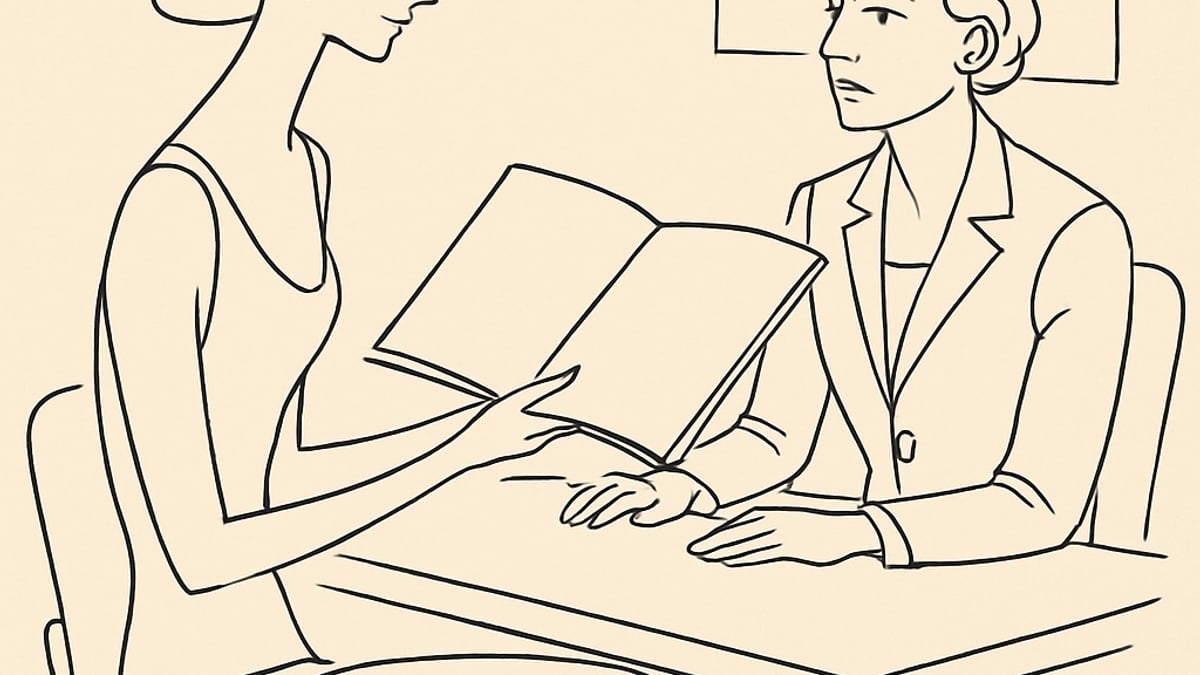
Aspiring petite model presenting her portfolio to a modeling agency agent in an office, vintage line illustration
How to Actually Approach Petite Modeling Agencies
Knowing which agencies have petite divisions is only half the equation. How you approach them determines whether you get a response.
Research Before You Submit
Every major agency publishes submission guidelines on their website. Read them. Submitting a PDF portfolio to an agency that specifically asks for digitals wastes both your time and theirs. Following instructions correctly signals professionalism before you’ve said a word.
Open Calls vs. Digital Submissions
Most New York agencies run open calls — scheduled times when they’ll meet new talent without an appointment. These are valuable because they give you face time with an agent, which digital submissions don’t. Check each agency’s website for current open call schedules; these change frequently.
Digital submissions are the more common route now, especially post-2020. A strong set of digitals — unretouched, natural light, minimal makeup, form-fitting but simple clothing — is the standard. The goal is to show the agency what you actually look like, not a curated version of yourself.
Follow Up Once, Then Move On
If you’ve submitted and haven’t heard back in two to three weeks, a single polite follow-up is appropriate. After that, move on to the next agency on your list. Agents are reviewing hundreds of submissions; a lack of response isn’t a verdict on your potential — it’s a numbers game.
Consider What You Can Control Before You Submit
Models who study the industry, understand what agencies are looking for, and have at least a basic grasp of posing, movement, and how to present themselves tend to get further, faster. That’s not about being polished — it’s about being prepared. Our Modeling Weekend in NYC and Miami was built around exactly this: giving aspiring models — including those pursuing petite and commercial work — the tools to walk into an agency meeting ready.
Models who’ve gone through the program consistently report feeling more confident in submissions and open calls. You can read some of their experiences on our success stories page.
The Commercial Market: Where Petite Models Actually Work
It’s worth spending a moment on this because the commercial market is frequently underestimated — by aspiring models and by people outside the industry.
Editorial modeling (the kind you see in Vogue or Harper’s Bazaar) represents a small fraction of total modeling work. The commercial market — advertising campaigns, catalog shoots, e-commerce, lifestyle photography, brand partnerships — is orders of magnitude larger. Major retailers shoot hundreds of looks per season. Consumer brands need faces for packaging, digital ads, and social campaigns. None of these clients require editorial height.
For petite models, the commercial market isn’t a consolation prize. It’s where the volume of work is, where consistent income lives, and where many models build long, stable careers without the volatility of high-fashion editorial. Agencies like Wilhelmina and Ford have commercial boards because their clients demand them — not because they’re making an exception.
Understanding this distinction changes how you position yourself. If you’re 5’4″ and you walk into an agency pitching yourself as an editorial model, you’re fighting against the current. If you walk in understanding the commercial market, knowing your proportions, and presenting digitals that communicate your range — you’re a different kind of candidate entirely.
Protecting Yourself: What Legitimate Agencies Do (and Don’t) Do
Because this matters: the modeling industry attracts bad actors who target aspiring models, particularly those who feel they don’t fit the traditional mold and are therefore more susceptible to promises that sound too good.
Legitimate petite modeling agencies share a few consistent characteristics. They don’t charge upfront fees. They don’t require you to purchase a package of photos through a specific photographer they recommend. They have verifiable client lists and a track record you can research. They’re registered businesses with a physical presence or a well-documented online history.
The Better Business Bureau is a useful first stop when vetting any agency you haven’t heard of. A quick search can surface complaints, ratings, and red flags before you invest time or money in a submission.
For a deeper look at how the NYC agency landscape works — including what agents actually look for when they meet new talent — our guide to modeling agencies in NYC covers the process in detail.
Building Toward a Submission That Gets Noticed
The models who get signed by petite modeling agencies aren’t necessarily the ones who look the most like a model in the traditional sense. They’re the ones who understand the market they’re entering, present themselves professionally, and persist through the rejection that’s a normal part of the process.
If you’re working toward your first agency submission, here’s a practical sequence:
- Identify 8–12 agencies with petite or commercial divisions in your target market
- Review each agency’s submission guidelines and current open call schedule
- Shoot a clean set of digitals — no heavy editing, natural light, simple background
- Submit to each agency following their specific instructions
- While you wait, invest in your skills: posing, movement, how to take direction on set
That last point is where most aspiring models underinvest. The submission gets you in the door; what you do in the room determines whether you leave with representation.
Our 8-week modeling program is designed for exactly this stage — building the practical skills that make a difference when you’re standing in front of an agent or a casting director.
If you’re not ready to commit to a program yet but want a real picture of what it takes to get signed, watch our free 3-part training: Get the free videos →. No fluff, no upsell — just the training we wish every aspiring model had before walking into their first agency meeting.
Frequently Asked Questions
What height is considered petite in modeling?
Most agencies define their petite division as models between 5’2″ and 5’7″, though this varies by agency and market. Commercial and catalog work tends to be the most height-flexible, while editorial and runway divisions typically maintain stricter minimums.
Can petite models work with major agencies in New York?
Yes. Several well-established New York agencies — including Wilhelmina and Ford Models — maintain commercial divisions that regularly represent petite talent. The key is targeting the right division within each agency rather than submitting broadly.
Do I need professional photos before approaching petite modeling agencies?
Not necessarily. Many agencies prefer clean, unedited digitals for initial submissions — simple photos taken in natural light against a plain background. A professional portfolio becomes more important once you’re working toward representation, but it’s rarely a prerequisite for a first submission.
How do agencies make money, and what should I never pay for?
Legitimate agencies earn commission — typically 15–20% — on the work they book for you. You should never pay an agency an upfront registration fee, a portfolio fee, or a “development” fee. Any agency requiring payment before booking you work is not operating legitimately.
Is commercial modeling a real career path for petite models?
Absolutely. The commercial market — advertising, catalog, e-commerce, lifestyle — is far larger than editorial fashion and does not require editorial height. Many petite models build consistent, long-term careers entirely within commercial work, often with more stability than their editorial counterparts.