
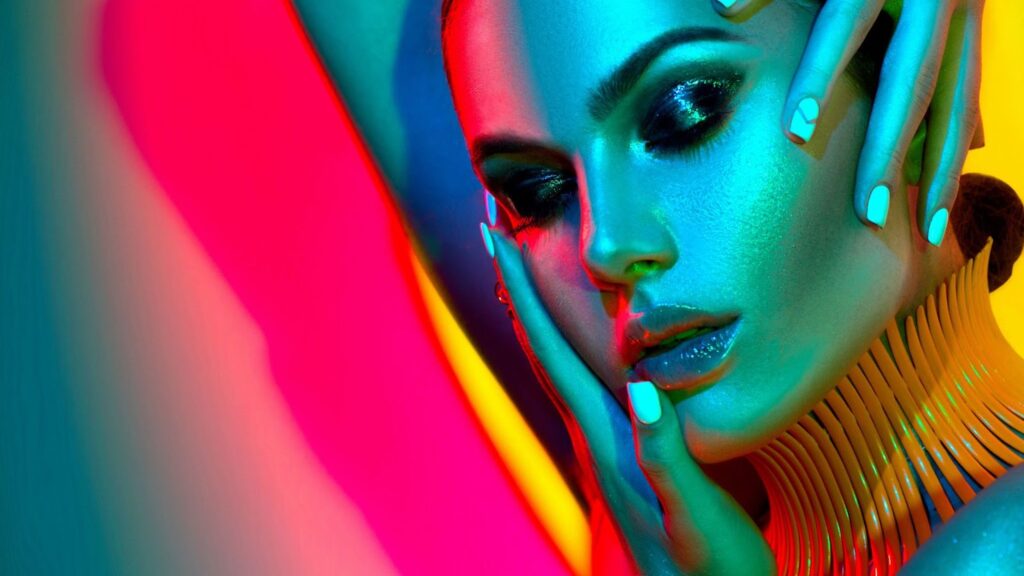

The modeling world offers more than the runway. You can work in high fashion, commercial ads, fitness, social media, and more. Each path uses different skills. This guide breaks down the main types of modeling and helps you find the one that fits you best.
Fashion Modeling
Fashion modeling sits at the top of the industry. It splits into four main areas.
High-Fashion and Editorial Modeling
Editorial models work with top designers and photographers. They appear in fashion magazines like Vogue and Harper’s Bazaar, and they walk in runway shows during fashion week. This path rewards a distinctive look, a strong presence on camera, and the ability to shift moods across a single shoot. Agencies scouting editorial talent often prioritize height and proportion alongside a face that photographs well in bold, artistic concepts.

Commercial Fashion Modeling
Commercial models sell everyday clothing. You’ll see them in catalogs, online stores, and TV ads for mainstream brands. Casting directors pick commercial models because they feel approachable and familiar, not distant or untouchable. This category offers steadier, more frequent bookings than editorial work, since brands constantly refresh product photography for new seasons and sales.
Fit Modeling
Fit models help designers test how clothes fit real bodies. You try on samples and give feedback before a brand puts a garment into production. This role needs exact, consistent measurements more than a big portfolio, since designers rely on the same fit model repeatedly to keep sizing accurate across a collection. It’s less glamorous than other paths, but it offers steady, often full-time work behind the scenes.
Plus-Size Modeling
Plus-size models represent a wider range of body types. Brands that design for curvier bodies hire them for ads, catalogs, and fashion shows. This growing niche pushes the fashion industry toward more inclusive advertising, and demand keeps rising as more retailers expand their extended-size lines and feature plus-size models in mainstream campaigns rather than separate ones.

Commercial Modeling
Commercial modeling covers ads, catalogs, and promotional content for everyday products.
Where you’ll work: – TV and online ads for food, drinks, and electronics – Print and digital catalogs – Flyers, posters, and other marketing materials
What helps you succeed: – You connect easily with everyday consumers – You can shift between different looks and styles – You come across as warm and approachable
How to start: 1. Build a portfolio with varied looks 2. Reach out to agents who book commercial work 3. Research the brands you want to work with
Commercial work spans a wide range of ages, body types, and looks, which makes it one of the most accessible entry points into the modeling world. Many models use it to build experience and income while pursuing other niches on the side.
Glamour Modeling
Glamour modeling puts beauty and confidence front and center. Shoots often include beauty close-ups, swimwear or lingerie, and themed, cinematic photo concepts.
It differs from other modeling types in focus: – Fashion modeling highlights clothing and design – Commercial modeling highlights everyday relatability – Glamour modeling highlights physical allure
Glamour models find work in beauty magazines, lingerie ads, and calendar shoots. Confidence and professionalism matter most here. To start, build a portfolio of your best glamour shots and find an agency with experience in this niche.
Fitness Modeling
Fitness modeling highlights strength, health, and an active lifestyle. Fitness models appear in activewear ads, wellness campaigns, and fitness magazines.
What brands look for: – A toned, well-maintained physique – A genuine commitment to health and exercise – An energetic, motivating presence on camera
Where the work comes from: – Sportswear and supplement brands – Fitness magazines and websites – Gym openings and fitness expos
To break in, build a portfolio that shows your athletic range, grow a fitness-focused social media presence, and network with trainers and gym owners. Staying in peak condition matters more here than in most other modeling paths, since clients often book fitness models on short notice for time-sensitive campaigns.
Body Parts Modeling
Body parts modeling — sometimes called parts modeling — focuses on one feature instead of the whole body. Brands hire hand models for jewelry, foot models for footwear, and leg models for hosiery and leggings.
Main types: – Hand modeling: jewelry, nail products, skincare – Foot modeling: shoes, sandals, boots – Leg modeling: stockings, leggings, legwear
Success here depends on well-groomed, camera-ready features and patience for close-up, detail-heavy shoots. Build a specialized portfolio around your strongest feature and look for an agency that books parts models specifically. Because the work centers on one feature rather than your whole look, many parts models book jobs well into their 40s and 50s — age matters far less here than in most other categories.
Promotional Modeling
Promotional models represent brands in person at live events instead of in front of a camera. You might work a trade show, a product launch, or an in-store demo.
The job includes: – Representing the brand’s image at the event – Talking with attendees and answering questions – Handing out samples and running demos
This path suits people with strong communication skills and an outgoing personality. Many promotional models get their start through event staffing agencies or by networking directly with brand managers, and the work often pays by the hour or day rather than per photo, which makes it a solid way to earn steady income between other bookings.
Influencer and Social Media Modeling
Social media reshaped modeling. Influencers use Instagram, TikTok, and YouTube to build a personal brand and work directly with companies.
What the work involves: – Creating content that reflects your personal style – Posting consistently to grow and keep your audience – Partnering with brands on sponsored posts and reviews
Your following, your content quality, and how authentic you seem to your audience all matter more here than traditional measurements. To start, pick a niche you genuinely care about, post consistently, and reach out to brands that match your audience. This path also blends well with traditional modeling — many print and commercial models now build a following alongside their agency work, since brands increasingly ask for both in the same contract.
Specialty Modeling
Specialty modeling covers niches built around a specific look, age, or body type.
- Mature models represent older adults in fashion and lifestyle campaigns, valued for confidence and life experience.
- Petite models work with brands that design for shorter frames, often in commercial and print modeling.
- Alternative models — with tattoos, piercings, or unconventional styles — work with brands that embrace subculture and individuality.
- Body-positivity and cultural representation models help brands reflect a wider range of body sizes and backgrounds.
If one of these niches matches your look or background, build a portfolio around it and find agencies with direct experience placing models in that space.
How to Choose Your Path
Start by asking yourself a few questions:
- What are your strongest physical features and personality traits?
- Which type of modeling excites you most — fashion, fitness, commercial work, or something else?
- What do you want your modeling career to look like in five years?
Then research each path, build a portfolio around it, and look for a modeling agency with real experience in that niche. Stay open to trying more than one type early on — many models find their strongest niche through trial and error.
Building a Lasting Career
A modeling career takes resilience. Rejection is part of the process, so keep improving your portfolio and stay motivated between bookings.
A few habits that help long term:
- Build your network. Relationships with agents, photographers, and other models open doors.
- Define your personal brand. Know what makes you stand out and keep it consistent across your portfolio and social media.
- Stay organized. Track your bookings and set clear career goals.
- Protect your health. The physical and emotional demands of modeling add up, so prioritize rest, nutrition, and mental health support.
- Keep learning. Follow industry trends and stay open to new modeling niches as the market shifts.
Frequently Asked Questions
What type of modeling pays the most?
High-fashion and editorial modeling can pay the most per job, but commercial and promotional modeling usually offer steadier, more frequent work.
Do I need to be tall to become a model?
Only for runway and high-fashion work, which usually requires a specific height range. Commercial, fit, petite, and parts modeling all work with a much wider range of heights.
Can I start modeling without an agency?
Yes. Many models start with freelance or promotional gigs, or build a following through social media, before signing with a modeling agency.
What’s the difference between commercial and glamour modeling?
Commercial modeling sells everyday products and leans on relatability. Glamour modeling centers on beauty and allure, often through swimwear, lingerie, or themed shoots.
The modeling world keeps evolving, from runway shows to social media. Find the type that fits your strengths, build real experience, and stay adaptable — that combination gives you the best shot at a lasting career.