

You’ve been told you have the look. Maybe a stranger stopped you at a mall, or a friend keeps insisting you should be in front of a camera. The question most aspiring models sit with for months — sometimes years — is: what do I actually do next?
Modeling classes are often the answer, but the category is murky. There are weekend intensives, semester-long programs, online courses, and everything in between. Some are worth every dollar. Others are little more than expensive photo packages dressed up as education. Knowing the difference before you spend anything is the first real skill of a professional modeling career.
This guide breaks down what modeling classes actually teach, who benefits most from them, and how to evaluate a program before you commit.
What Modeling Classes Actually Teach
The phrase “modeling classes” covers a wide range of instruction, but the core curriculum at a serious program tends to fall into four areas.
Runway technique
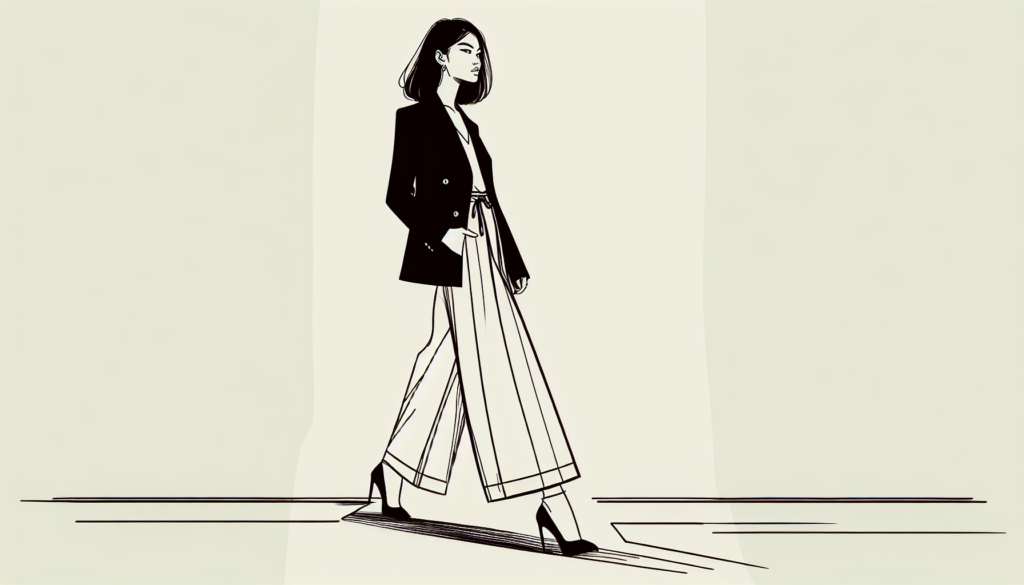
Walking a runway looks effortless when a professional does it. It isn’t. A strong runway walk requires correct posture, a specific hip placement, controlled arm swing, and the ability to turn cleanly at the end of the runway without breaking stride. Most beginners overstride, look down, or tense their shoulders — all things that read immediately on camera and in person.
In a structured class, you’ll walk repeatedly, get corrected in real time, and develop muscle memory over hours of practice. Agencies at the level of IMG Models or Wilhelmina can tell within seconds whether a model has been trained. That’s not an exaggeration — it’s just what years of watching people walk does to a trained eye.
Posing for print and digital
Editorial posing and commercial posing are genuinely different skills. Editorial work — think Vogue or Harper’s Bazaar — rewards tension, angles, and an almost architectural quality in the body. Commercial work for brands like Tommy Hilfiger or Calvin Klein tends to reward approachability and natural movement.
Modeling classes teach you to read a brief, work with a photographer’s direction, and generate a range of looks without freezing up. They also teach you what the camera actually sees versus what you feel you’re doing — a gap that surprises almost every beginner.

Model practicing editorial posing techniques during a modeling class, vintage line illustration
Portfolio development
A model’s book is their resume. Agencies want to see range: at minimum, a clean headshot, a full-length shot, and ideally a few images that hint at your commercial or editorial potential. Classes often include or connect you with professional photoshoots that produce usable portfolio images — not just practice shots.
If you’re starting from zero, this is one of the most practical reasons to enroll. Our modeling photoshoot service is designed specifically to give aspiring models portfolio-ready images alongside their training, rather than treating the two as separate investments.
Industry knowledge and professionalism
This is the category most aspiring models underestimate. Understanding how agencies work, what a legitimate contract looks like, how to navigate castings, and how to present yourself in a go-see are skills that don’t come naturally — they come from experience or instruction.
Reputable modeling classes cover the business side: commission structures (agencies typically take 15–20%), the difference between a mother agency and a booking agency, what to expect at open calls, and how to spot programs or “agencies” that are more interested in your money than your career. That last point matters more than most newcomers realize, and we’ll come back to it.
Who Benefits Most from Modeling Classes
The honest answer is: almost anyone serious about a modeling career, at almost any stage.
Total beginners benefit most obviously. If you’ve never been in front of a professional camera, never walked a runway, and have no industry contacts, structured instruction compresses what would otherwise take years of trial and error into weeks.
Models with some experience often find that classes correct ingrained bad habits. A model who has been shooting casually for two years may have developed a comfortable but limited range of poses, or a walk that looks fine in casual video but falls apart under runway conditions.
Models preparing to approach agencies use classes as a finishing step — getting polished enough to walk into an open call at Ford Models or Next Management and make a real impression rather than a forgettable one.
Teenagers and young adults benefit from the confidence and professionalism training as much as the technical skills. The modeling industry can be disorienting for someone who has never navigated it before, and knowing what to expect — and what to watch out for — is genuinely protective.
If you’re a parent researching programs for a younger aspiring model, our post on how to find the perfect modeling agency for teens is a useful companion read.
How to Evaluate a Modeling Classes Program
Not all programs are created equal, and a few red flags are worth knowing before you make any financial commitment.
Green flags
- Curriculum is specific. A legitimate program can tell you exactly what you’ll learn: runway technique, posing, portfolio development, industry navigation. Vague language like “unlock your potential” is not a curriculum.
- Instructors have verifiable industry backgrounds. Former working models, agents, or photographers with real credits are worth paying for. Credentials should be easy to find and verify.
- No pressure to buy expensive packages upfront. Legitimate programs don’t require you to purchase a $3,000 photo package before you’ve attended a single class.
- They’re honest about outcomes. Models who complete serious training are better prepared for agency meetings — but no ethical program promises you will get signed. The honest version is that trained models tend to make stronger impressions at castings. That’s a meaningful advantage, not a guarantee.
- The program is accredited or has a verifiable track record. Look for real alumni results, not just testimonials on the program’s own website.
Red flags
- Upfront “registration fees” for agency representation. Legitimate agencies make money when you work — not before.
- Pressure to buy photos from a specific photographer before training begins. Portfolio development should follow instruction, not precede it.
- Promises of guaranteed work or signed contracts. No one can promise this. Anyone who does is selling something other than modeling education.
- No physical location or verifiable instructors. If you can’t find evidence that the program exists beyond its own website, that’s a meaningful signal.
The Better Business Bureau’s scam guidance is a practical resource if you want a broader framework for evaluating any educational program.

Aspiring model reviewing portfolio with an industry instructor during modeling classes, line illustration
Format Options: Weekend, Weekly, or Online?
Modeling classes come in three main formats, and the right one depends on your schedule, location, and how quickly you want to move.
Weekend intensives
A two-day intensive is the fastest way to build foundational skills. You’ll cover runway, posing, and portfolio strategy in a concentrated environment alongside other aspiring models. The social element matters — you get real-time feedback not just from instructors but from watching others make and correct the same mistakes you’re making.
Our Modeling Weekend runs in both NYC and Miami and is the most popular format we offer. It’s designed for people who want to move quickly and are ready to treat the weekend like a real professional commitment.
Weekly programs
An 8-week program spreads instruction over time, which works well for people who want to absorb material more gradually or who are balancing school, work, or other commitments. Weekly classes also allow for more repetition — you practice a runway technique, go home, think about it, and come back to refine it.
Our 8-week modeling program follows this structure, with sessions that build on each other across the full arc of a modeling education.
Online classes
Online modeling instruction has real limitations — you can’t get hands-on runway feedback through a screen — but it’s a legitimate option for people who aren’t in a major market or who want to build foundational knowledge before committing to an in-person program. Our post on top modeling classes online covers what to look for and what to manage your expectations around.
For people outside NYC or Miami, online instruction followed by an in-person intensive is often the most effective sequence.

Infographic comparing weekend, 8-week, and online modeling class formats — time commitment, skills covered, and who each format suits best
What Modeling Classes Won’t Do
This is worth saying plainly: modeling classes prepare you. They don’t place you.
The work of building a career — approaching agencies, attending open calls, building relationships, handling rejection — is yours to do. What training does is make sure that when you walk into a casting at DNA Models or Elite Model Management, you’re not learning basic skills in real time in front of people whose job is to evaluate you in 60 seconds.
Models who invest in real instruction tend to be more confident in castings, more comfortable on set, and better equipped to navigate the business side of the industry without getting taken advantage of. That’s a meaningful edge in a competitive field.
Choosing the Right Program for Where You Are
If you’re a complete beginner with no portfolio and no industry contacts, an in-person program — weekend or weekly — is the fastest path to being genuinely ready for agency meetings.
If you’re outside a major market and can’t travel yet, start with an online modeling class to build your foundation, and plan an in-person intensive when you can.
If you have some experience but feel like you’ve plateaued — your walk is okay but not sharp, your posing range is narrow, your book is thin — a structured program will identify and fix the specific gaps holding you back faster than self-directed practice will.
And if you’re not yet sure whether modeling is something you want to pursue seriously, that’s a reasonable place to be. If you want a real picture of what getting signed actually involves before committing to any program, watch our free 3-part training: Get the free videos →. No fluff, no upsell — just the training we wish every aspiring model had before walking into their first agency meeting.
FAQ
Do I need modeling classes to get signed by an agency?
No — some models get signed without any formal training. But agencies see hundreds of faces. Models who arrive at open calls with a strong walk, a polished book, and professional composure make a different impression than those who don’t. Training doesn’t guarantee a signing, but it meaningfully improves your odds.
How much do modeling classes typically cost?
Costs vary widely. Weekend intensives from reputable programs typically run in the hundreds of dollars. Longer programs may run more. Be cautious of any program that requires you to purchase expensive photo packages as part of enrollment — legitimate programs keep instruction and portfolio development separate or clearly explained.
Can I take modeling classes if I don’t meet standard agency height requirements?
Yes. Modeling covers a wide range of categories — commercial, plus-size, petite, fit modeling, parts modeling, and more — and height requirements vary significantly by category. Training is useful regardless of which direction your career takes.
What’s the difference between a modeling class and a modeling school?
The terms are often used interchangeably, but “modeling school” sometimes implies a longer, more comprehensive program. The quality and legitimacy of either depends on the specific program, not the label.
Are online modeling classes worth it?
For foundational knowledge — industry terminology, posing theory, understanding the business — yes. For hands-on skills like runway technique, in-person instruction is more effective. Many models use online classes as a starting point and then attend an in-person program when they’re ready to go further.