

Fashion’s most iconic art form — the ramp walk, catwalk, or runway walk — is far more than putting one foot in front of the other. It is a physical language that shows attitude, tells a brand story, and brings clothing to life under the spotlight. Whether you are an aspiring model preparing for your first casting call, a fashion student studying the craft, or simply someone who wants to walk with more confidence in daily life, this comprehensive guide covers every style, technique, and training strategy you need.
What Is a Ramp Walk, Catwalk, or Runway Walk?
A ramp walk (also called a catwalk or runway walk) is a stylized way models walk on a raised platform.
They use it during fashion shows to show clothing and accessories. The word “catwalk” emerged from the narrow, elevated structures that resemble the graceful, precise tread of a cat. “Ramp walk” and “runway walk” describe the physical path models travel to display a designer’s vision.
These walks are not simply about moving from one end of a platform to the other. They are live performances that show mood, personality, and the core identity of a collection, without spoken words.
Key insight: A model’s walk is the silent spokesperson for a designer’s entire season. Every step carries intention.
5 Main Styles of Ramp Walks, Catwalks, and Runway Walks
Runway walk styles vary widely depending on the designer’s aesthetic, the event’s theme, and the model’s own personality. Below is a breakdown of the five most prominent styles, with techniques for mastering each one.
1. The Classic Catwalk
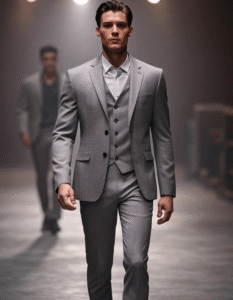
The classic catwalk is the gold standard of runway walking — elegant, precise, and commanding. It appears often in shows for luxury heritage houses like Chanel, Dior, and Versace. It keeps the focus on the garment.
Key characteristics:
- Posture: Shoulders back, chest slightly forward, chin parallel to the ground.
- Stride: Long, deliberate steps with one foot placed directly in front of the other along a straight, invisible line.
- Hip movement: A subtle, natural sway — present, but never overdone.
- Arms: Relaxed, with a slight pendulum swing; one hand may rest on the hip during the end pose.
- Expression: Neutral to fierce, with a steady gaze directed at the far end of the runway.
Best used for: Formal high-fashion shows focused on luxurious or tailored garments.
Practice drill: Lay a strip of masking tape on the floor and walk its length placing each foot directly on the line. Record yourself to check for drift and hip exaggeration.
2. The Power Walk
The power walk is bold, fast, and unapologetic. Brands with an edgy or streetwear identity, like Balenciaga, Rick Owens, or Alexander McQueen, use this style.
It adds energy and tension to the show.
Key characteristics:
- Posture: Upright with a slight forward lean that signals momentum.
- Stride: Quicker and wider than the classic catwalk, with purposeful foot strikes.
- Hip movement: Exaggerated enough to create drama, but controlled enough to stay powerful rather than playful.
- Arms: Strong, deliberate swings — or held rigid for a more severe, architectural effect.
- Expression: Fierce and intense; a subtle smirk or piercing stare works well.
Best used for: Avant-garde, streetwear, or theatrical collections where attitude is part of the garment’s story.
Practice drill: Play a high-energy track and walk to its beat. The rhythm should feel urgent. Practice your expression separately in a mirror until it looks natural, not forced.
3. The Editorial Walk
The editorial walk prioritizes storytelling over stride. It is slower, more fluid, and deliberately unconventional — the model becomes a moving sculpture rather than a clothes hanger. Couture houses like Viktor & Rolf and Iris van Herpen use this walk to blur the line between fashion and performance art.
Key characteristics:
- Posture: Fluid and adaptable; changes with the concept.
- Stride: Slow, thoughtful steps — sometimes including deliberate pauses or direction changes.
- Hip movement: Minimal; the overall body language, not the hips, carries the story.
- Arms: Creative and intentional — holding a garment’s detail, extending outward, or framing the silhouette.
- Expression: Highly variable: ethereal, melancholic, otherworldly, or intense, depending on the collection’s theme.
Best used for: Avant-garde, conceptual, or couture shows where the garment is experimental or sculptural.
Practice drill: Read the press release or look book for the collection before rehearsal. Understand the story, then improvise movements that feel true to it. Record and review.
4. The Commercial Walk
The commercial walk is polished and approachable — the antithesis of intimidating runway drama. It appears in ready-to-wear shows, retail presentations, and campaigns for accessible brands like Zara, H&M, or Mango.
Key characteristics:
- Posture: Upright but relaxed; the body language is open, not closed off.
- Stride: Medium length, with a smooth, natural flow.
- Hip movement: Minimal — the goal is to show how the clothes move on a real person.
- Arms: Natural swing; hands may slip into pockets for a casual, relatable effect.
- Expression: Warm and confident, often with a soft, genuine smile.
Best used for: Mainstream or high-street brands appealing to a broad, diverse audience.
Practice drill: Wear the same outfit you will present in, like jeans, sneakers, or a day dress. Walk in it. Focus on looking calmly confident, not performative.
5. The Theatrical Walk
The theatrical walk transforms the runway into a stage. Rarely seen outside high-concept shows, this style incorporates choreography, props, pauses, and dramatic physicality. Thierry Mugler and Jean Paul Gaultier made this style legendary.
Key characteristics:
- Posture: Dynamic and exaggerated, with bold poses that frame the garment as costume or sculpture.
- Stride: Varied — stops, quarter-turns, spins, and unexpected direction changes all appear.
- Hip movement: Pronounced and synchronized with music.
- Arms: Make dramatic sweeping gestures; you may incorporate props.
- Expression: Larger-than-life emotion that matches the show’s overarching theme.
Best used for: High-concept, performance-art fashion shows where the runway is a full theatrical production.
Practice drill: Take a dance or physical theatre class. Practice performing to the show’s actual music and, if possible, attend a full dress rehearsal to lock in the choreography.
Core Techniques to Perfect Any Runway Walk
Regardless of which style you are working on, these fundamental techniques apply across every type of ramp walk, catwalk, or runway walk.
Posture and Balance
- Engage your core throughout the entire walk — not just when you remember to.
- Strengthen your ankles by practicing in heels before the show day.
- Use a mirror or record yourself to catch alignment issues early.
Pacing and Timing
- Match your stride tempo to the music’s BPM for a cohesive, polished result.
- Always pause at the end of the runway for your signature pose before turning. Two to three seconds is enough.
- A controlled, unhurried pace reads as confidence. Rushing reads as nerves.
Facial Expression
- Develop a “runway face” — a neutral-to-powerful expression that suits the collection’s mood.
- Keep your gaze soft but directed toward the end of the runway, not at the audience or your feet.
- Practice holding your expression for a full 30 seconds without breaking. It is harder than it sounds.
Turning and Posing
- Pivot on the balls of your feet for clean, sharp turns.
- Identify the garment’s best angle before the show and use your pose to highlight it.
- End every pose with intention — hand on hip, arm extended, weight shifted — then move on.
Confidence and Recovery
- Walk as if you chose this runway, not as if you were placed on it.
- If you stumble, keep moving. Confidence is the best cover for a minor mistake.
- Develop a signature element — a particular tilt of the head, a specific arm position — that is unmistakably yours within the context of the designer’s vision.
A Brief History of the Runway Walk
Understanding where the runway walk came from gives it more meaning — and makes it easier to master.
In the late 19th century, fashion presentations were intimate, salon-style events. Models — then called “mannequins” — displayed garments with minimal theatrical flair. The modern runway walk took shape in the mid-20th century as fashion shows became public spectacles, with Christian Dior and Yves Saint Laurent elevating presentation into an art form.
The 1990s were the golden era of the catwalk. Supermodels like Naomi Campbell, Cindy Crawford, Kate Moss, and Linda Evangelista turned the runway into a stage for personality and charisma. Their walks were studied, imitated, and celebrated as much as the clothes they wore.
Today, the runway walk continues to evolve. Inclusivity and diversity are reshaping the industry — models of all backgrounds, body types, ages, and gender identities are redefining what it means to own a ramp walk. The walk is no longer one fixed ideal; it is a broad spectrum of expression.
Common Mistakes to Avoid in a Ramp Walk or Catwalk
Even experienced models fall into these traps. Knowing them in advance saves you from repeating them.
Mistake Why It HurtsThe Fix Overdoing hip movement Distracts from the clothingKeep the sway subtle unless the style demands drama Looking down Breaks the illusion of confidenceFix your gaze at the far end of the runway Slouching Undermines the entire silhouetteEngage your core from the moment you step out Ignoring the music Makes the walk feel disconnectedRehearse specifically with the show’s soundtrack Skipping outfit rehearsal Leads to tripping or visible discomfortAlways do a full run in the actual shoes and garment Rushing the pose Looks anxious and wastes the momentCount two to three full seconds before turning
How to Train for a Ramp Walk, Catwalk, or Runway Walk
Building a strong runway walk is a process. Here is a realistic, structured approach.
Step 1 — Get Professional Instruction
Enroll in a reputable modeling school or work one-on-one with a runway coach. Professional feedback accelerates progress far faster than self-teaching alone. Look for instructors with direct industry experience.
Step 2 — Build Your Home Practice Routine
- Lay a strip of tape across your longest hallway or room to simulate a runway.
- Walk it daily for at least 15 minutes, alternating between styles.
- Record every session and review your footage critically.
Step 3 — Study the Greats
Watch fashion show footage — YouTube has extensive archives from every major fashion week. Study how top models adapt their walk to each designer. Pay attention to what changes (expression, pace, arm position) and what stays constant (posture, control).
Step 4 — Build the Physical Foundation
A strong runway walk begins with a strong body.
- Core: Pilates, yoga, or targeted ab work for upright posture.
- Legs and ankles: Squats, calf raises, and balance exercises for stability in heels.
- Flexibility: Stretching and dance classes to keep movement fluid and free of tension.
Step 5 — Get Real-World Experience Early
Attend open casting calls and audition for local or student fashion shows. Real-world feedback from designers, casting directors, and show producers is irreplaceable. Take every note seriously and apply it before the next opportunity.
Frequently Asked Questions
How long does it take to learn a good runway walk?
With consistent daily practice and professional guidance, most people develop a solid foundation within three to six months. Refining a truly distinctive walk is an ongoing process that evolves throughout a career.
Do I need to be tall to have a good runway walk?
Height requirements vary by market and designer. The fashion industry has increasingly embraced diverse body types. What matters most is control, confidence, and the ability to present a garment effectively.
Is there a difference between a ramp walk and a catwalk?
The terms are interchangeable. “Catwalk” is more common in European fashion contexts; “ramp walk” is widely used in South Asian fashion industries. Both describe the same stylized technique.
What shoes are best for runway walk practice?
Start with a stable block or kitten heel and work up to stilettos as your ankle strength and balance improve. Practice in the exact heel height you will be wearing during the show.
Conclusion: Mastering the Art of the Runway Walk
The ramp walk, catwalk, and runway walk are physical skills, performance arts, and confidence practices all at once. Whether you are perfecting the timeless elegance of the classic catwalk, building the commanding force of the power walk, or interpreting a designer’s story through the editorial walk, the fundamentals are the same: posture, intention, timing, and the willingness to own the space you are moving through.
Start practicing today. Study the models who have shaped the craft. Film yourself, critique yourself honestly, and then go again. The runway is not waiting for perfection — it is waiting for presence.