
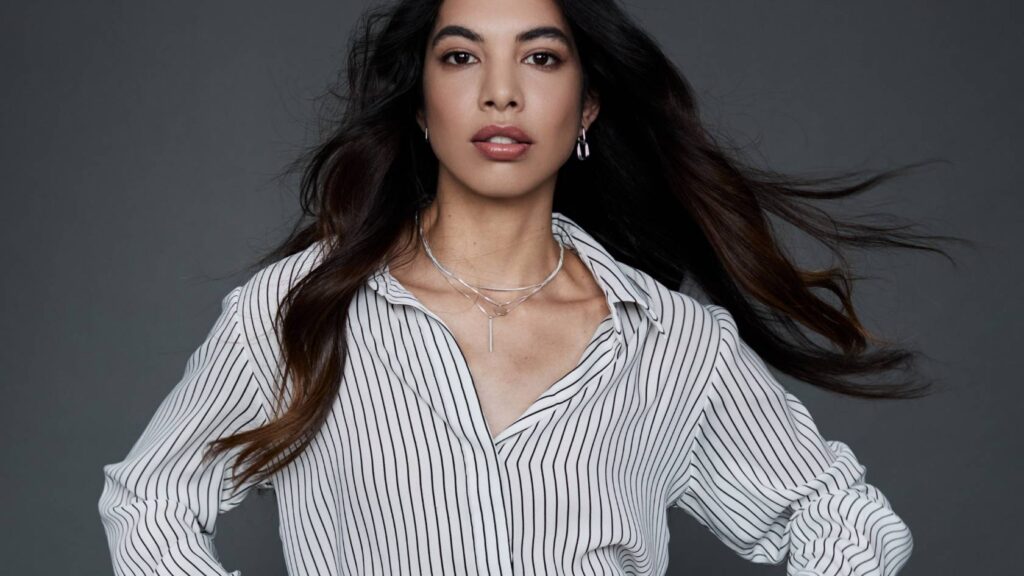

Modeling has fascinated people for decades. Models aren’t just faces on magazine covers or runways. They shape trends, sell products, and inspire millions of people around the world.
The modeling industry offers many paths. From high fashion to commercial work, there’s a niche for almost everyone. But breaking in isn’t easy without the right guidance.
This guide covers it all: the industry, your portfolio, agencies, auditions, and career management. Here’s where to start.
Understanding the Modeling Industry
Different Types of Modeling
Fashion modeling is the most well-known branch. It involves showcasing clothing and accessories for designers, luxury brands, and magazines. Fashion models are typically tall and slender, with features that fit a designer’s vision.
Commercial modeling promotes everyday products through ads, TV commercials, and online campaigns. Because commercial models need to connect with a broad audience, this category welcomes diverse ages, body types, and ethnicities.
Plus-size modeling celebrates body diversity. These models work in fashion, advertising, and magazine features, and this niche has grown fast in recent years.
Fitness and sports modeling showcases athletic apparel and active lifestyle brands. Models here have toned, fit physiques and often bring skills in a specific sport.
Runway and high fashion modeling is the most glamorous side of the industry. Runway models walk the catwalk during fashion shows. High fashion models appear in top magazine spreads and luxury campaigns. Both demand poise and the ability to adapt to different designer aesthetics.
Find Your Niche
Research each modeling type before you commit to one. Think about your body type, facial features, height, and what makes you unique. Once you know your niche, you can build a portfolio and focus your energy where it counts.
Agencies vs. Going Independent
Modeling agencies connect you with industry professionals and job opportunities. They negotiate contracts on your behalf and bring established networks and resources to the table.
Independent modeling means managing your own career. You’ll handle self-promotion, portfolio management, and contract negotiation yourself. It gives you more control, but it also demands more industry knowledge and initiative.
Building a Strong Foundation
Take Care of Your Body
A healthy lifestyle matters. Focus on a balanced diet, regular exercise, and enough sleep. This keeps your physique fit, your skin glowing, and your energy high.
Mix cardio, strength training, and flexibility work into your routine. A trainer can help you target the areas most relevant to your modeling niche.
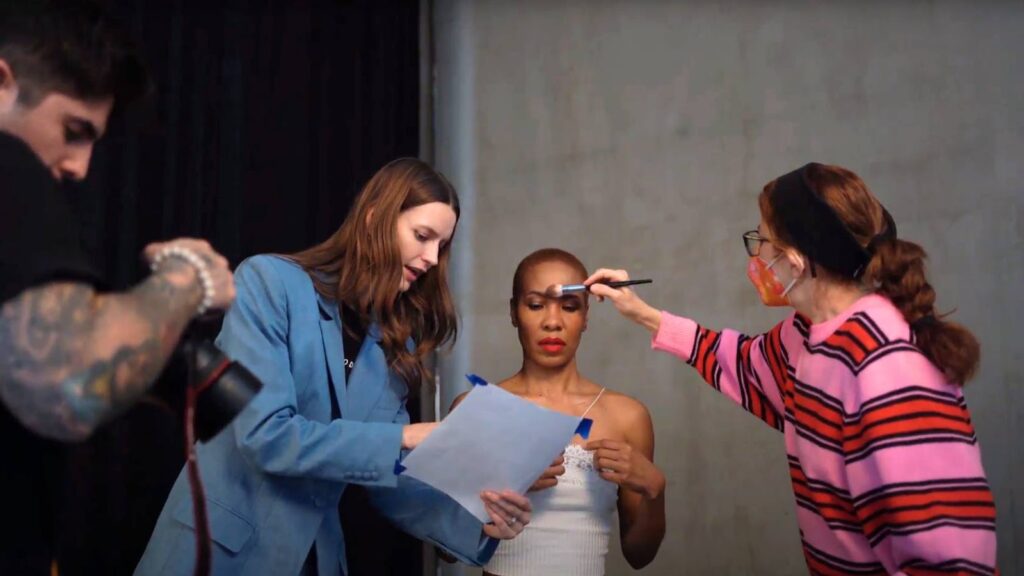
Skincare and grooming matter too. Build a routine around cleansing, moisturizing, and sun protection. Don’t neglect your hair, nails, or dental hygiene — small details add up.
Develop Your Personal Style
Follow fashion magazines, blogs, and top designers to stay current on trends. Learn the styles, silhouettes, and colors popular in the industry right now.
Experiment with different looks. Try new clothing, hairstyles, and makeup to see what enhances your features. This is how you find your signature style.
Think about your personal brand too. Decide what image you want to project — your style, attitude, and values — and stay consistent across your work.
Creating an Impressive Modeling Portfolio
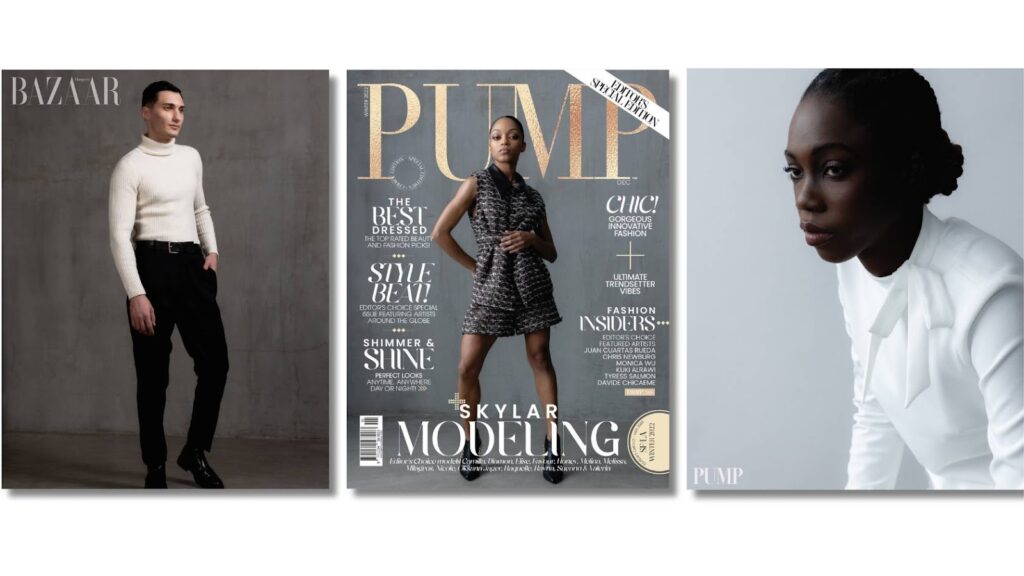
Your portfolio is your visual resume. It’s the main tool you’ll use to show clients, agencies, and casting directors your talent and range. A strong, well-curated portfolio makes a lasting first impression.
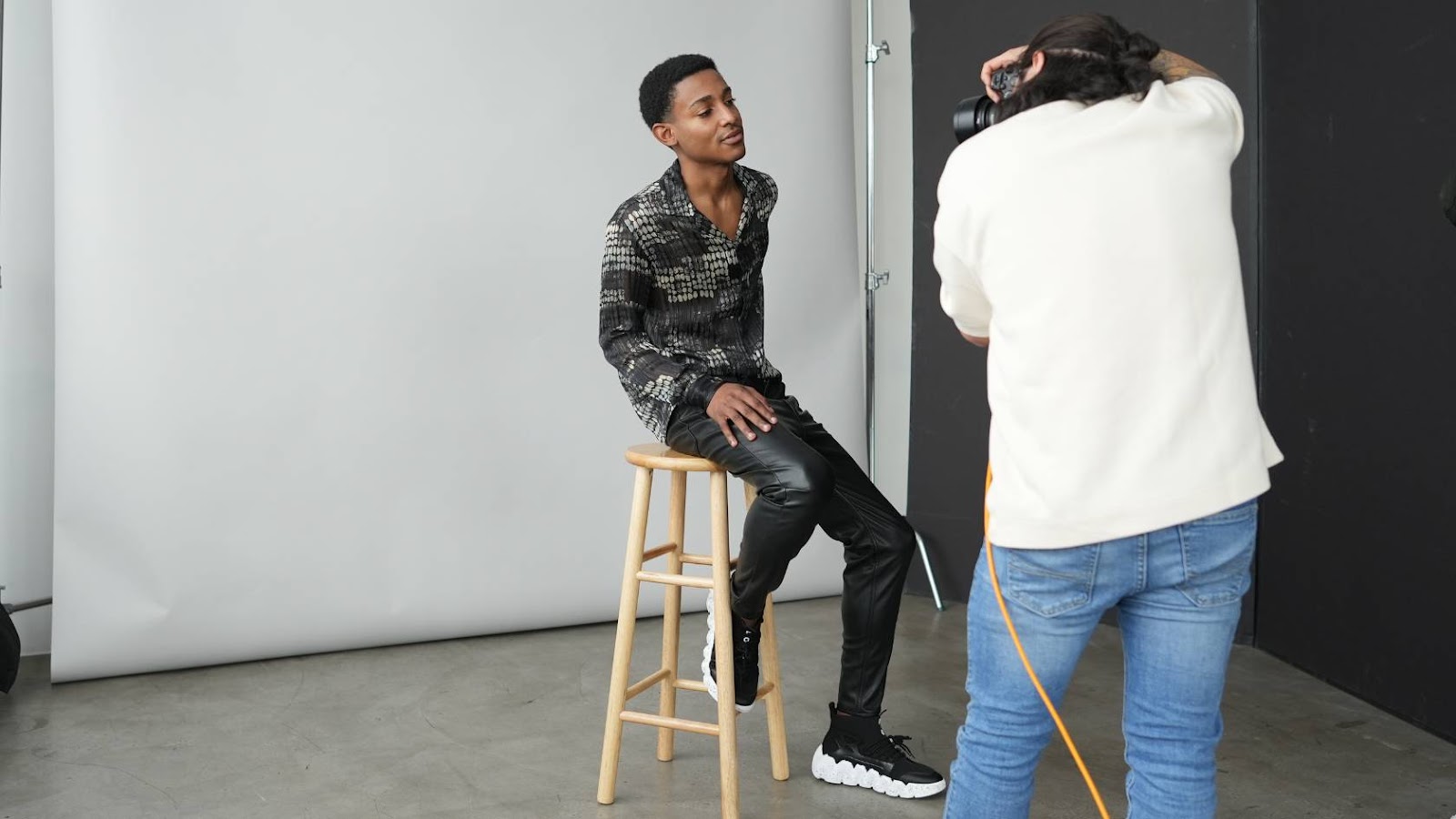
Choose the right photographer. Look for someone experienced in fashion or modeling photography whose style matches your vision. Ask other models or industry contacts for recommendations.
Plan your shoot carefully. Pick locations that fit your modeling niche — urban settings for fashion, a gym for fitness modeling. Plan your wardrobe to show different styles and silhouettes, and work with a stylist if you can.
Practice your poses. Rehearse in front of a mirror to build confidence. During the shoot, stay open to direction and try to convey a range of emotions through your body language.
Include variety. Mix close-ups, full-body shots, and different moods and styles. A well-rounded portfolio proves you can handle different styles.
Build a digital presence. Create a professional website or use a modeling-specific platform to host your portfolio. Use Instagram to share behind-the-scenes moments and connect with industry professionals. Keep everything cohesive and up to date.
Finding the Right Modeling Agency
Research agencies with a solid track record in your niche. Check their reputation, client feedback, and roster of established models. Be cautious of any agency that promises unrealistic results or asks for upfront fees.
Build a clear modeling resume. Include your measurements, past gigs, training, and any notable achievements. Tailor it to match what each agency is looking for.
Follow each agency’s submission guidelines closely — file formats, photo requirements, and preferred contact methods all matter. Double-check your portfolio before you send it.
If more than one agency shows interest, compare their offers. Look at reputation, industry connections, commission structure, and the support they offer their models.
Before signing anything, read the contract carefully. Pay attention to duration, commission rates, exclusive-work rules, and image usage rights. Get legal advice if you’re unsure, and don’t be afraid to negotiate.
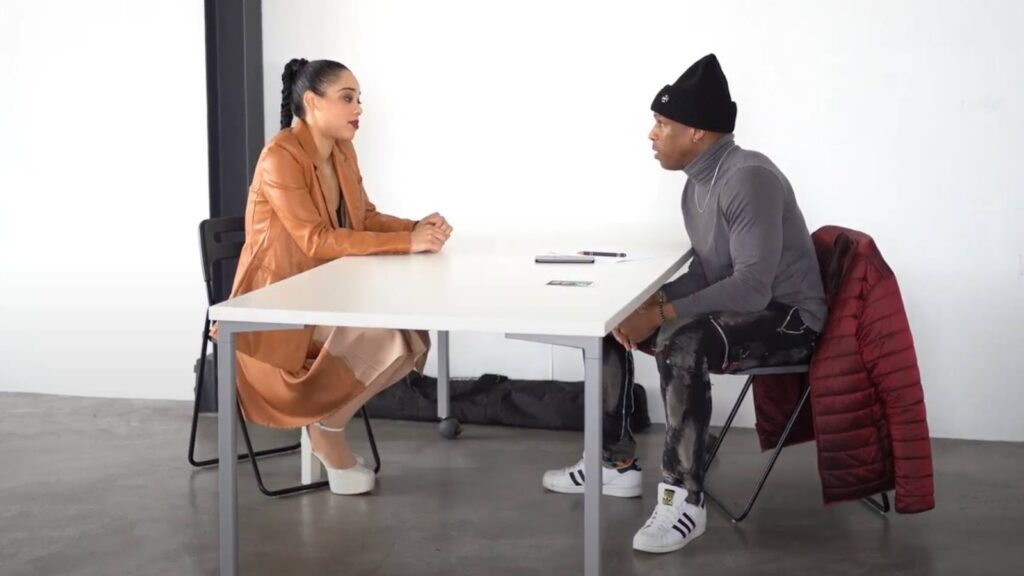
Nailing the Modeling Audition
Build confidence. Practice deep breathing and visualization to calm your nerves before an audition. Rehearse your walk and poses so you feel prepared.
Perfect your walk. Keep your posture straight, your head up, and your stride smooth and natural. Your arm and hand movements should feel fluid, not stiff.
Develop your poses. Build a repertoire of poses that highlight your best features. Practice in front of a mirror and experiment with different angles and expressions.
Dress simply. Wear form-fitting clothing so casting directors can see your proportions. Keep makeup minimal and hair clean — don’t distract from your face.
Show range. Casting directors may ask you to switch styles or emotions on the spot. Stay open to direction; it shows you can collaborate.
Handle rejection well. Not every audition leads to a booking, and that’s normal. Take feedback as a tool for growth, and don’t let rejection define your worth.
Professional Etiquette and Networking
Professionalism matters as much as talent. Reliability, punctuality, and a positive attitude earn respect and lead to repeat bookings.
Network actively. Attend fashion shows, conventions, and trade shows to meet designers, photographers, and casting directors. Join modeling associations or online communities to build connections.
Collaborate often. Work with photographers, makeup artists, and designers on creative projects. These collaborations grow both your portfolio and your network.
Follow up. Send a thank-you note after meetings or shoots. Staying in touch keeps relationships alive and can lead to future work.
Use social media wisely. Keep your profiles professional and share your portfolio and behind-the-scenes content. Engage with industry professionals and use relevant hashtags to boost your visibility.
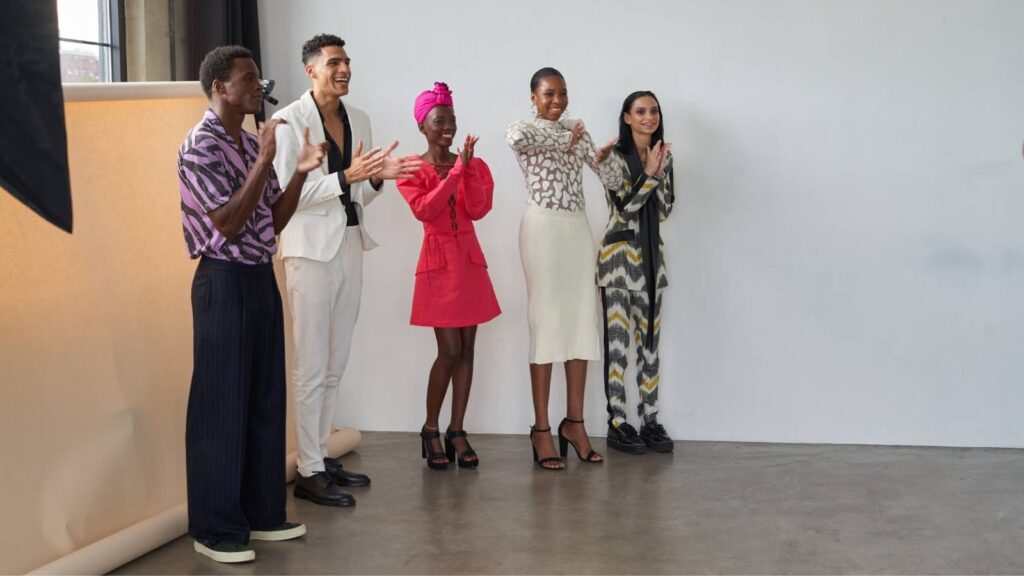
Managing Your Modeling Career
Understand your contracts. Know the exclusive-work rules, payment terms, and usage rights before you sign. Get legal advice if anything is unclear.
Work well with photographers, designers, and stylists. Stay open to their creative vision, communicate clearly, and show up on time. This builds your reputation and leads to more work.
Prepare for castings by researching the brand beforehand and dressing appropriately. During fittings, communicate openly with designers. At fashion shows, stay punctual and adaptable, and follow instructions from the show director.
Weigh freelance work against agency representation. Freelancing gives you more control but requires more self-promotion. An agency opens doors to a wider network but comes with contractual obligations.
Diversify where you can. Try different modeling genres — print, runway, commercial, fitness — and explore markets beyond your local area. Related fields like acting or hosting can also expand your opportunities.
Staying Healthy and Taking Care of Yourself
Modeling can be demanding, so protect your mental and emotional well-being. Make time for activities that help you recharge, like meditation or time outdoors. Lean on a supportive network of friends and family.
The industry comes with real pressures — body image expectations, competition, and constant scrutiny. Practice self-acceptance and set realistic goals instead of comparing yourself to others.
Rejection is part of the job. Treat it as a chance to grow rather than a verdict on your worth. Stay resilient and keep a positive mindset.
Finally, balance work with your personal life. Make time for hobbies, rest, and the people who matter to you. Taking care of yourself outside of work will help you last longer in the industry.
Conclusion:
Getting into modeling takes dedication and patience. You now have the essentials: the industry, your foundation, your portfolio, the right agency, auditions, and long-term career management.
Success rarely happens overnight, so stay committed to your goals. Embrace what makes you unique — it’s what will set you apart.
A few final tips as you get started:
- Keep improving. Take workshops and classes, and seek feedback often.
- Stay adaptable. Trends and casting preferences change fast.
- Be professional. Punctuality and reliability build your reputation.
- Embrace diversity. Look for brands that celebrate a range of identities and backgrounds.
- Never stop learning. Draw inspiration from magazines, runway shows, and other models.
Believe in yourself, stay focused, and enjoy the journey. Best of luck on your modeling career.